Certified Arborist tree healthcare for pest and disease concerns, soil and root-zone problems, declining trees, and customized long-term care throughout Ventura County.
Certified Arborist Evaluation
Pest & Disease Management
Soil & Root-Zone Care
Customized Healthcare Programs
ISA Certified
TRAQ Qualified
Professional Applicator
Ventura County
Tell Us What’s Going On With Your Tree
VISUAL DIAGNOSTIC GUIDE
Do Any Of These Symptoms Look Familiar?
Early detection saves mature canopy. Swipe or scroll through the visual indicators below. If your tree exhibits any of these signs, an arborist-led clinical evaluation is recommended.
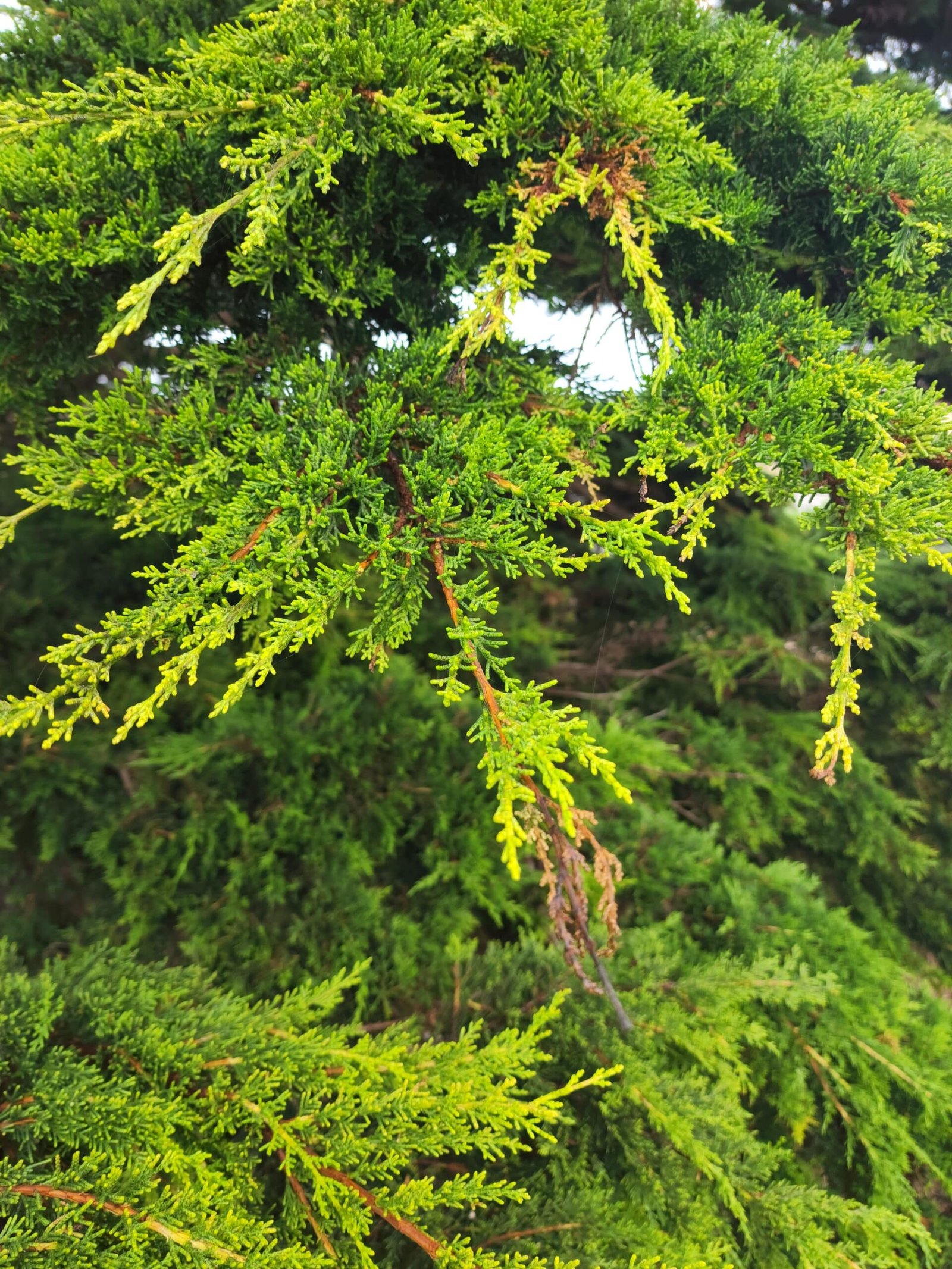
Yellowing or Thin Canopy
Premature chlorosis and thinning leaves indicate systemic vascular issues or root-zone blockages.
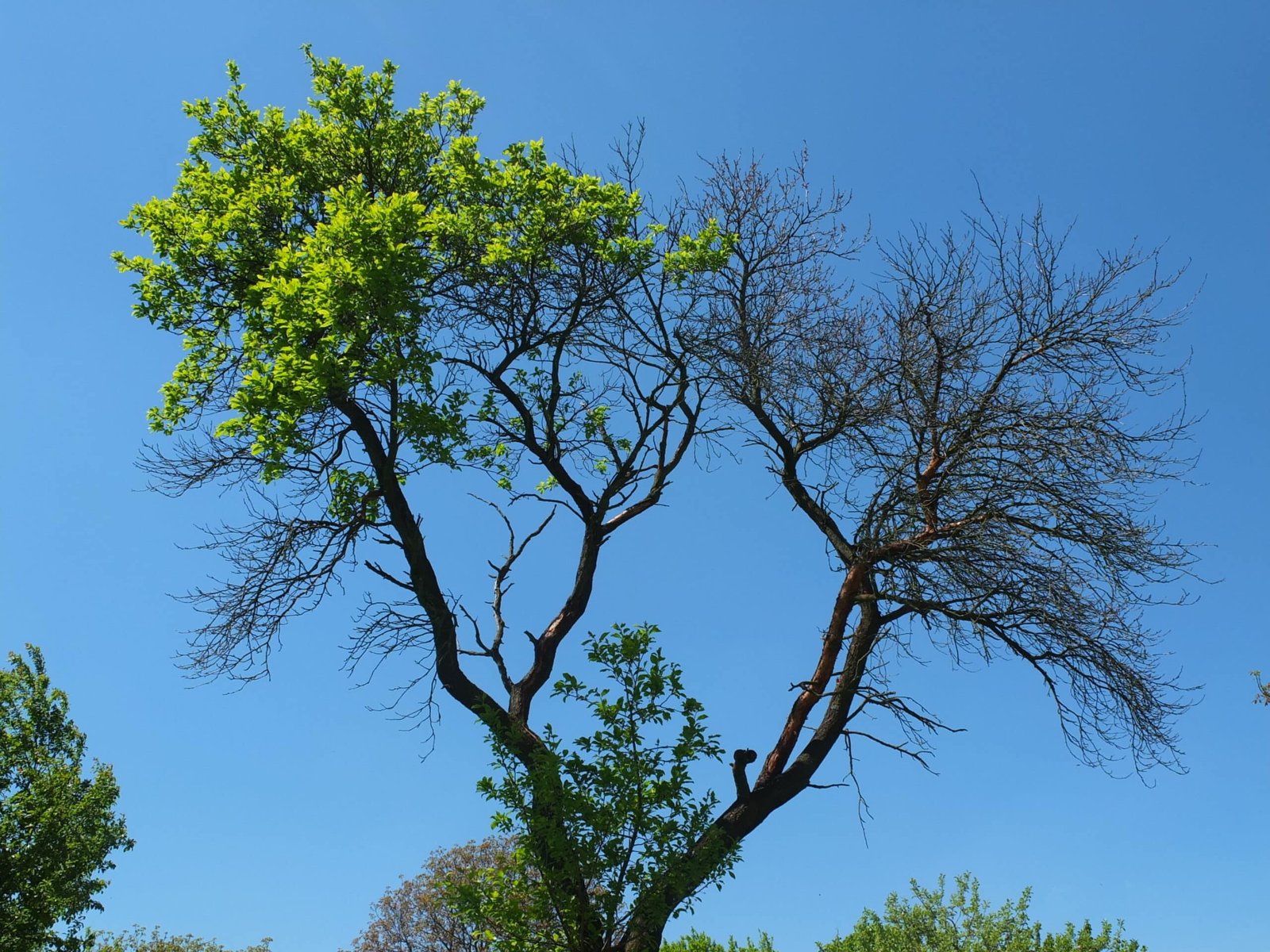
Dead Branches / Dieback
Progressive death of tips and upper branches signal active decay pathogens or lack of water absorption.
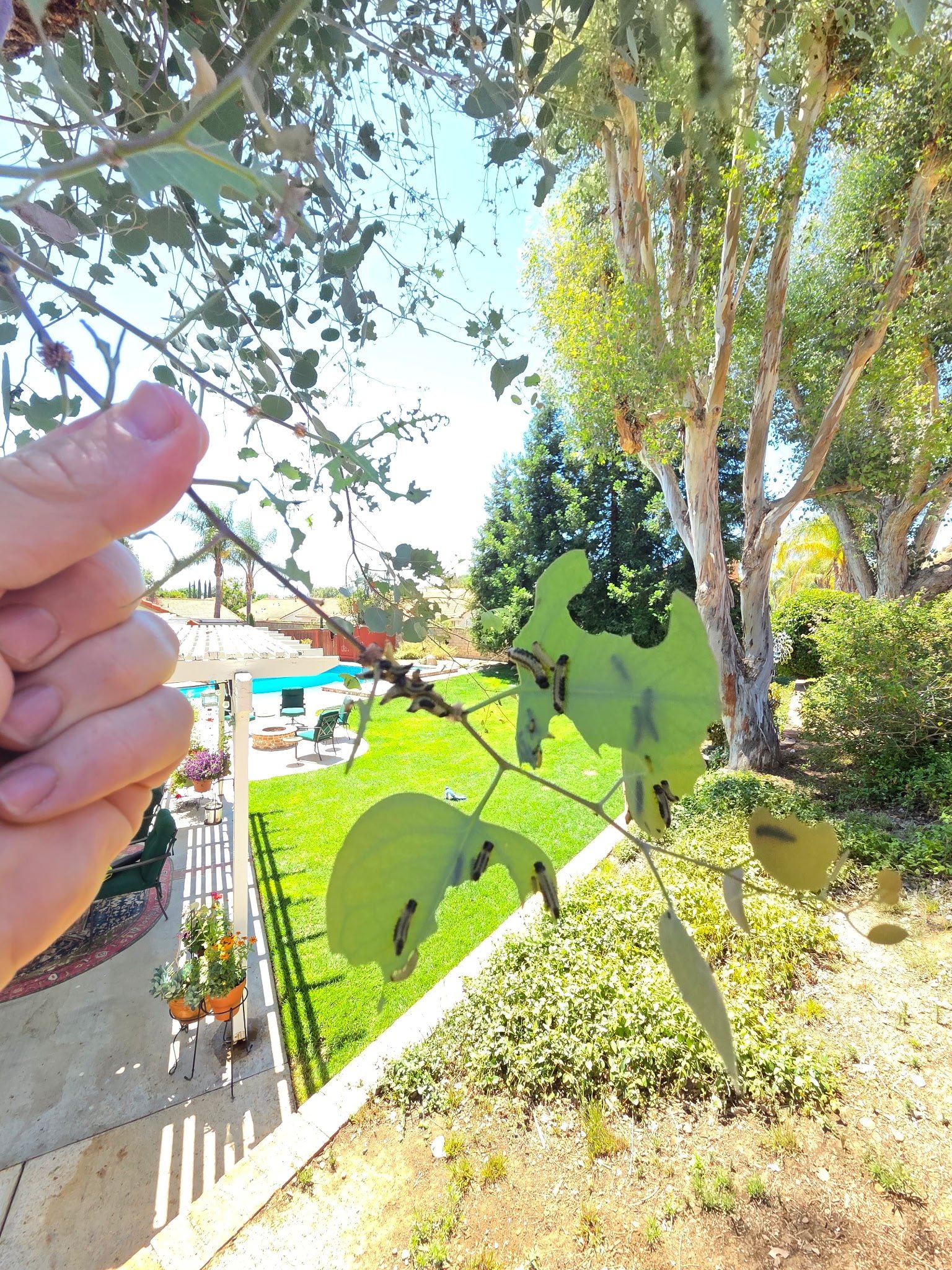
Insects & Boring Damage
Perfect exit holes, fine sawdust, or visible gallery paths beneath bark point to an active borer infestation.
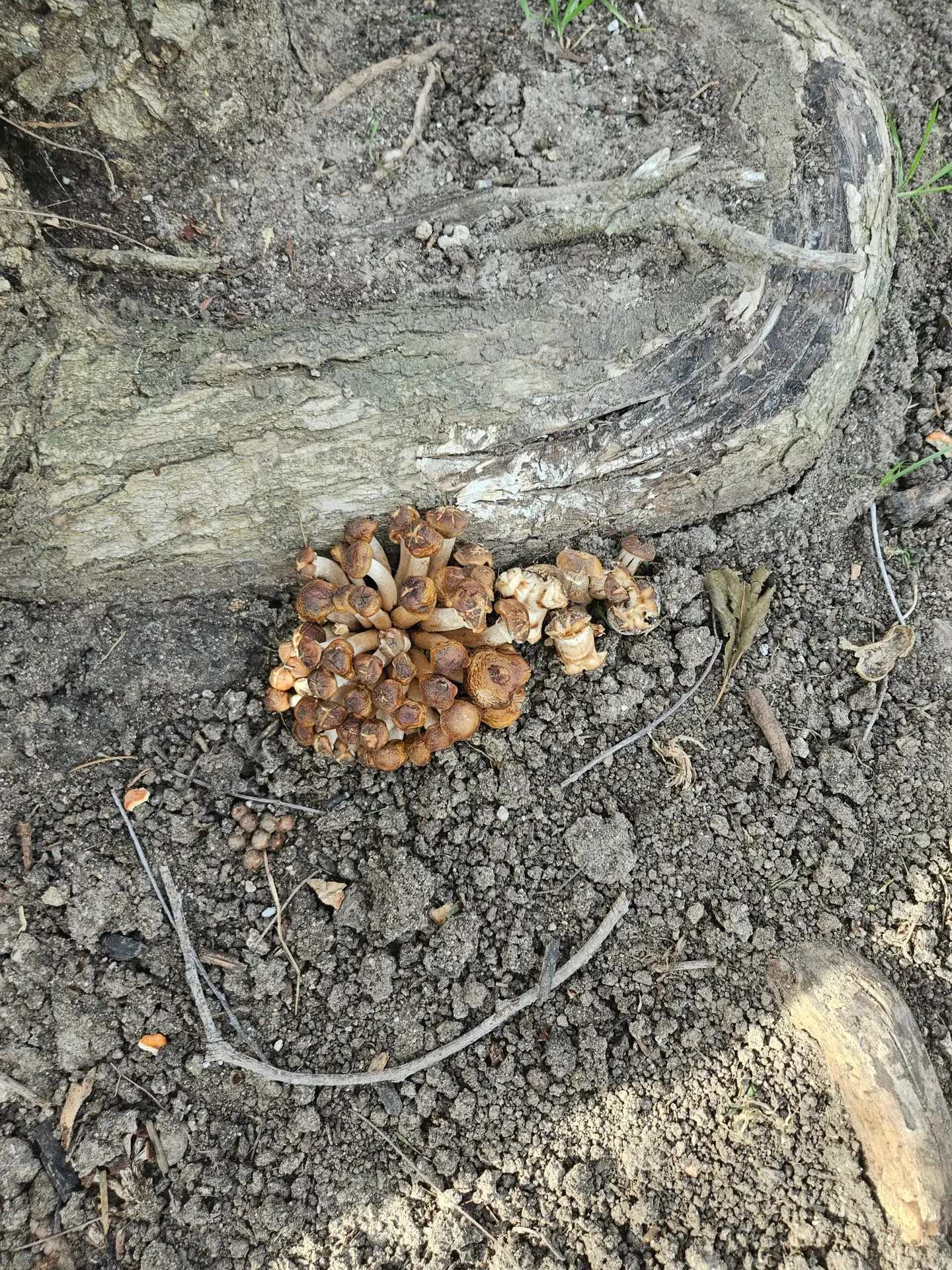
Mushrooms & Fungi
Fungal conks or mushrooms growing on the trunk are direct indicators of active internal wood decay.
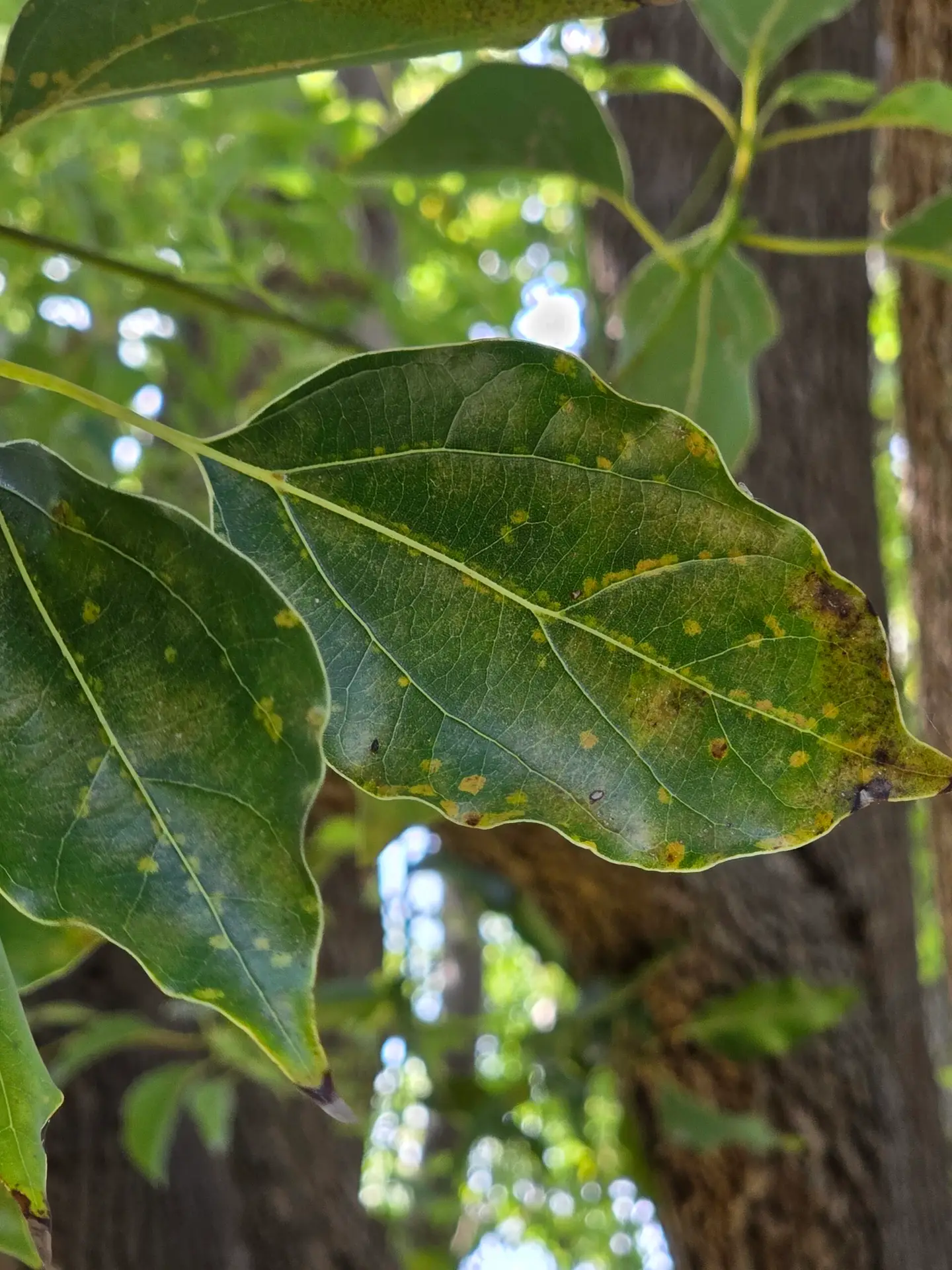
Leaf Spot & Blight
Dark spots, powdery mildew, or skeletonized foliage indicate localized foliar diseases or early insect stress.
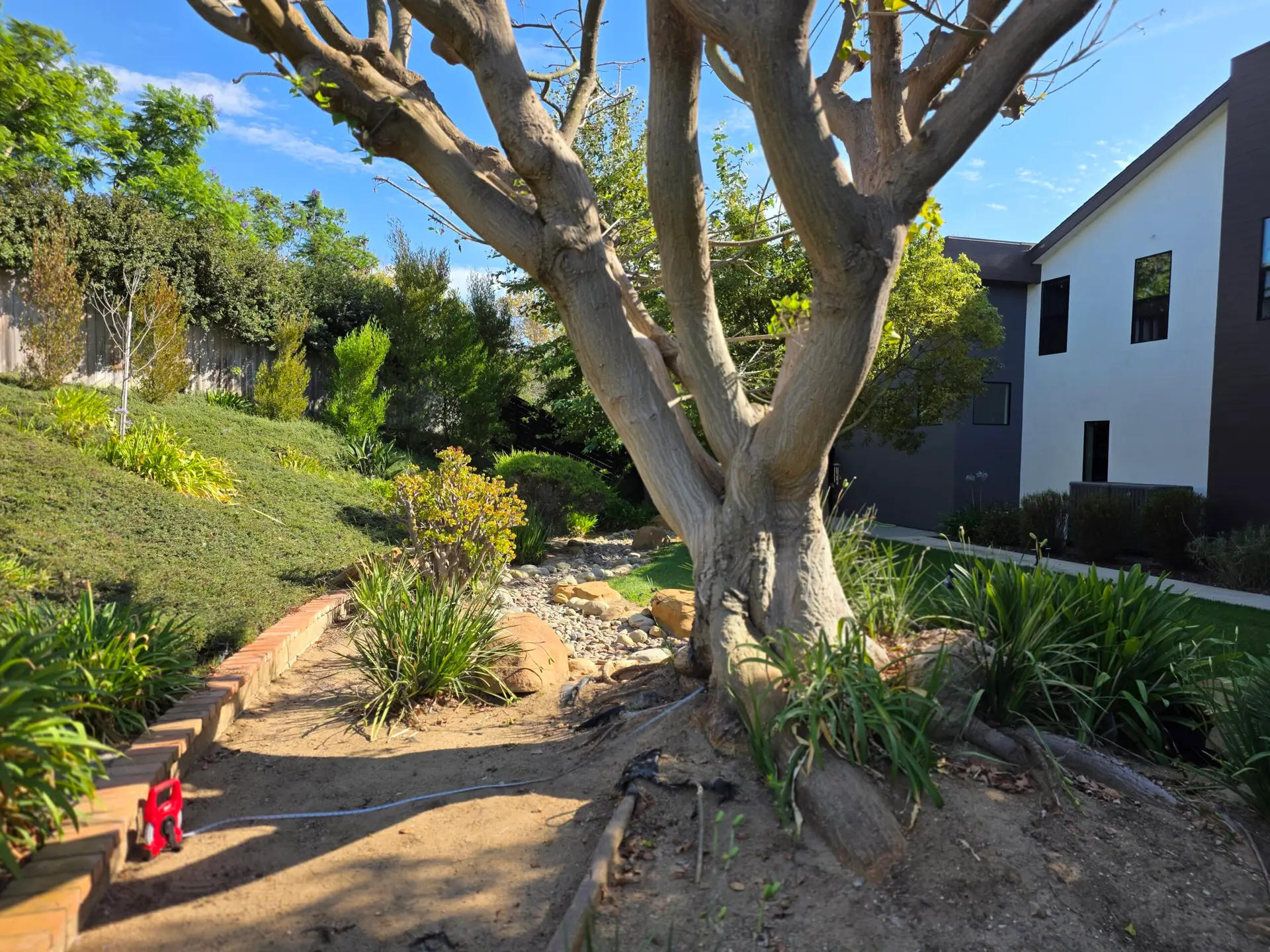
Root-Zone Problems
Girdling roots, girdling soil, or mushrooms at the base of the root flare reveal critical stability problems.
Scroll horizontally or swipe to inspect all symptoms
Treat The Cause — Not Just The Symptoms
Our scientific, arborist-led protocols isolate environmental and biological stressors at the root source to restore baseline health.
1. Diagnose
Evaluate the tree and site conditions, and when appropriate use soil or tissue sampling to better understand factors that may be affecting tree health.
2. Correct
Address active problems with appropriate treatments, root-zone work, sanitation, or other corrective care when needed.
3. Improve
Improve soil, root-zone, irrigation, and growing conditions to support better long-term tree health and resilience.
4. Maintain
Monitor how the tree responds and adjust treatments, cultural care, or visit frequency over time.
What Improvement Can Look Like
Real examples of trees responding to targeted healthcare, improved soil conditions, and continued monitoring.
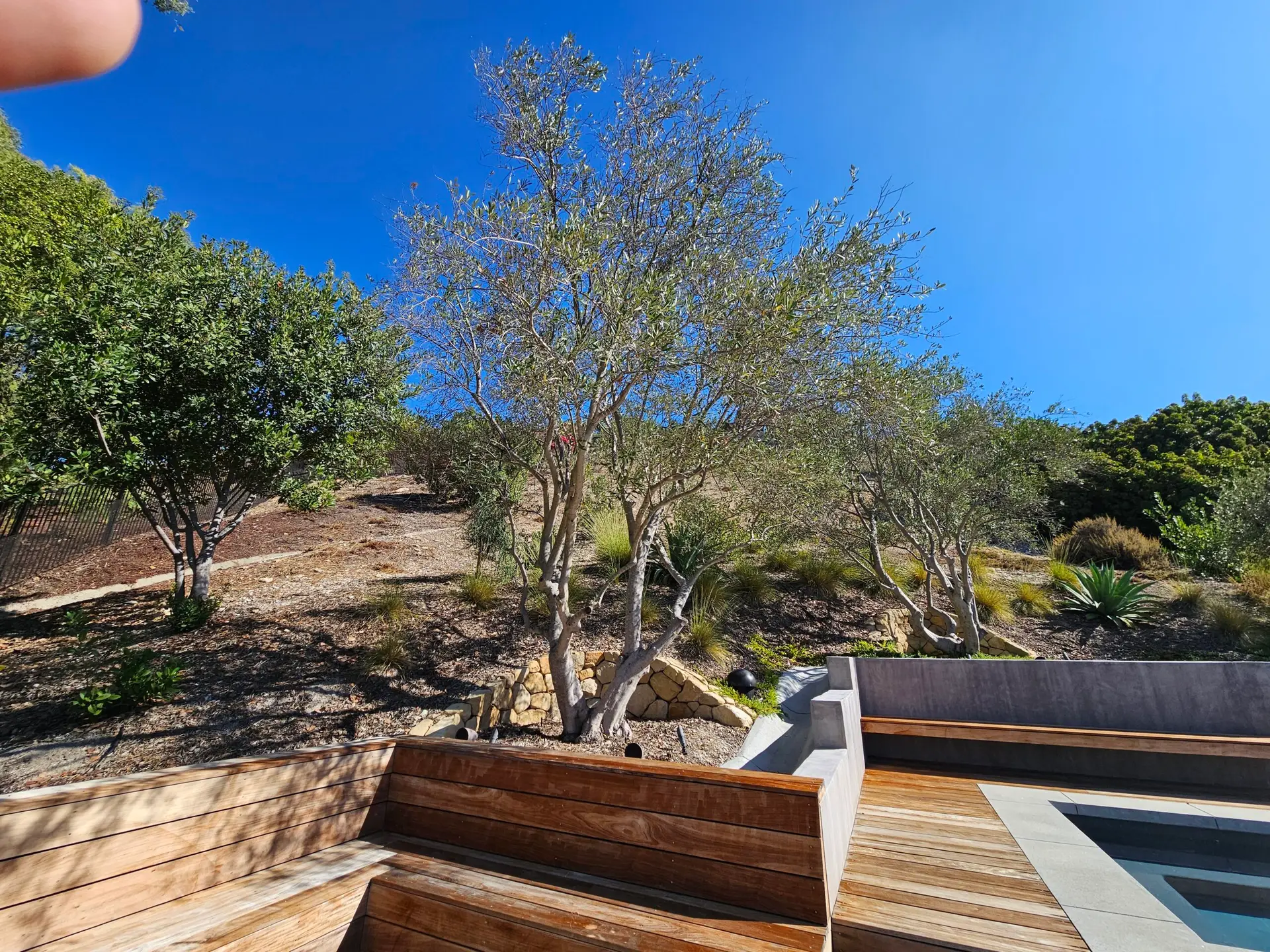
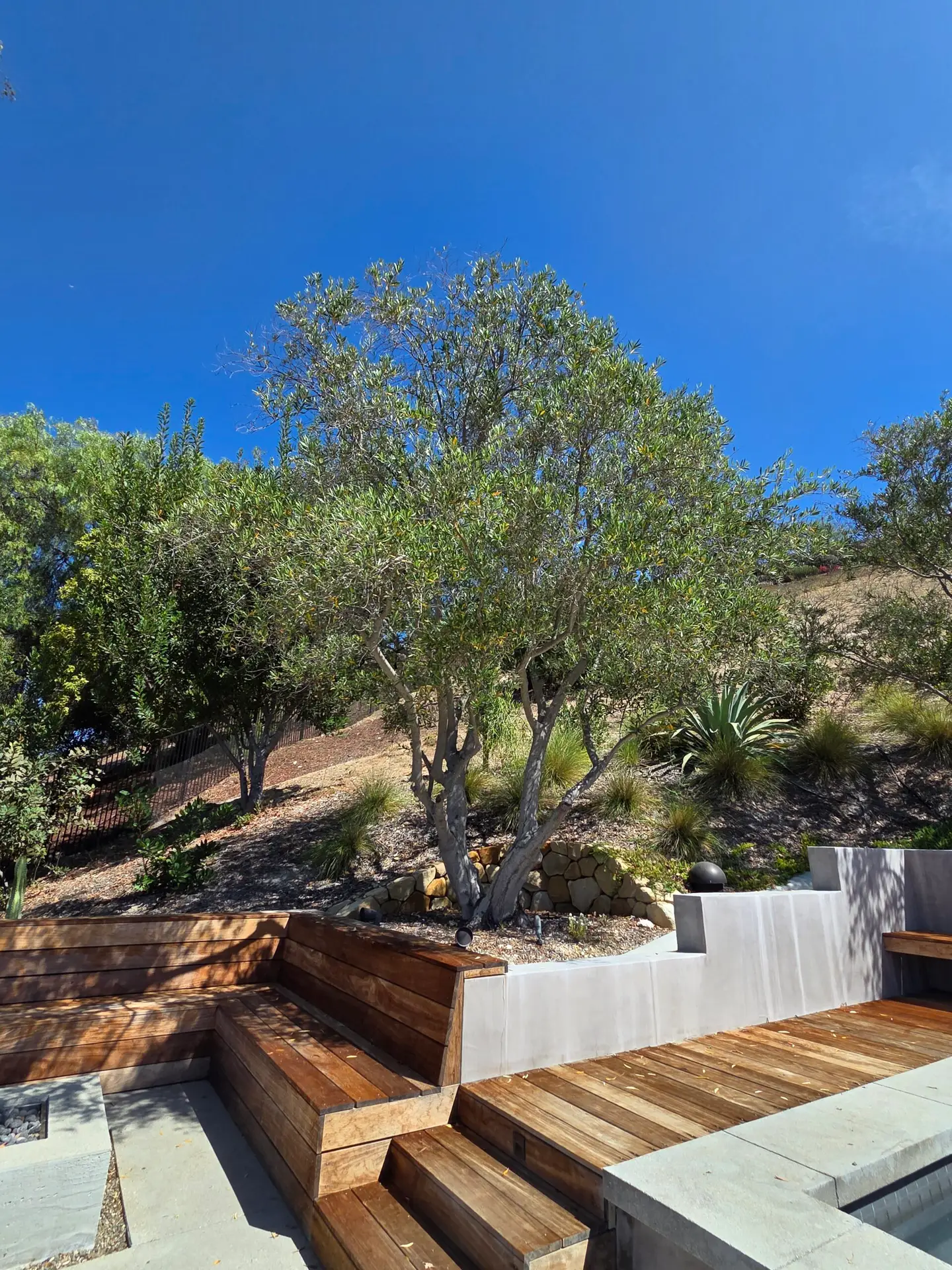
Approach: Tree health evaluation, targeted treatment, soil improvement, and continued monitoring.
Time Between Photos: 10 months
BEFORE: POOR ROOT ZONE
AFTER: 14 MOS RECOVERY
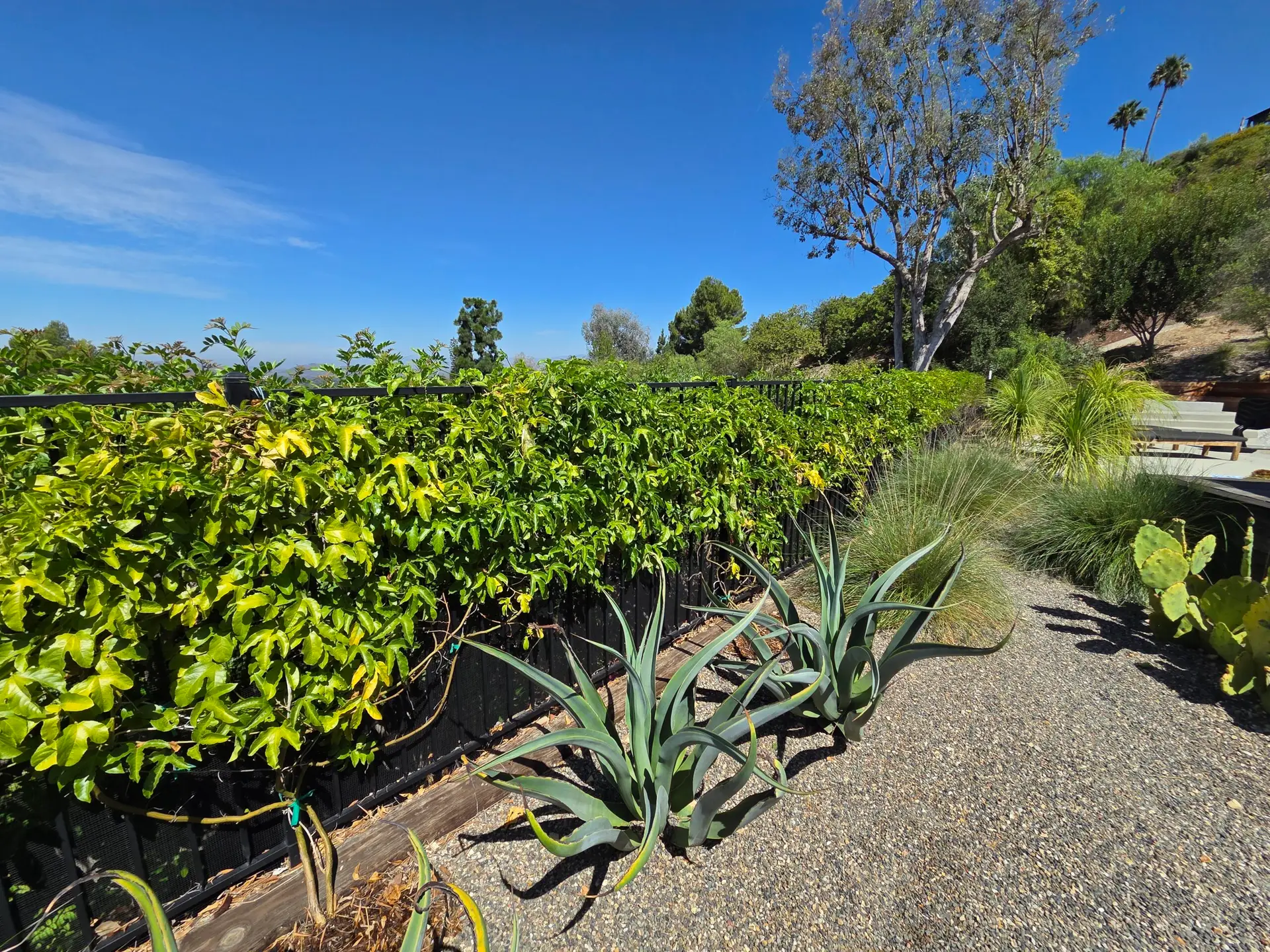
Case Study 2: Root-Zone & Plant Recovery
Concern: Poor root-zone conditions, compaction, and declining plant vigor.
Approach: Customized soil treatment, cultural care, and continued monitoring to improve growing conditions and support recovery.
Time Between Photos: 14 months
*Disclaimer: Case studies represent actual, monitored outcomes. Tree recovery and response rates differ substantially based on tree species, baseline structural decay, soil hydrology, and surrounding microclimate conditions.
OUR TREE HEALTHCARE APPROACH
Tree Healthcare That Goes Beyond Diagnosis
CORRECTIVE CARE
Trunk Injections
Pest Management
Disease Management
Sanitation
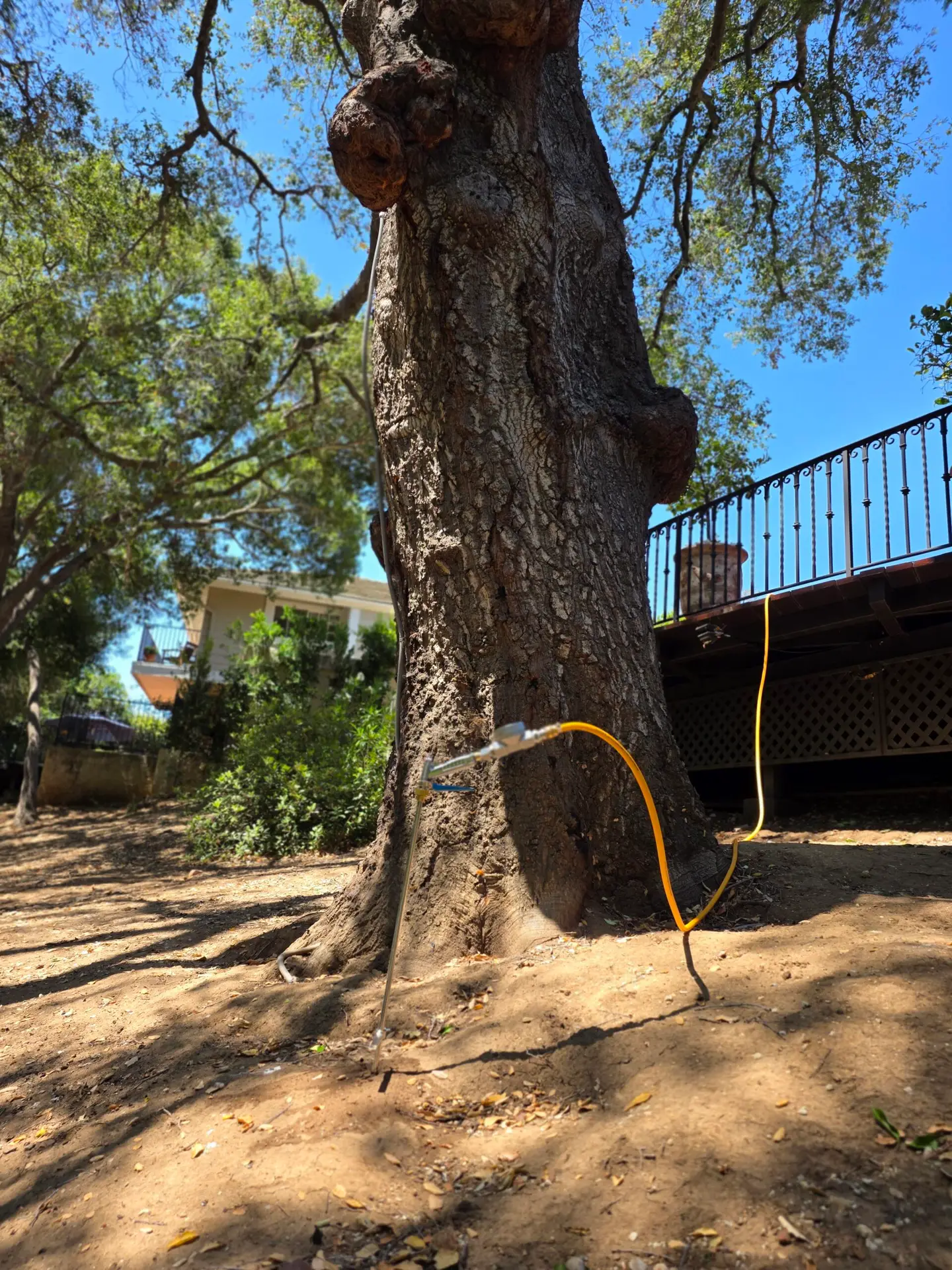
AirSpade Decompaction
Root-Zone Rehabilitation
ONGOING CULTURAL CARE
Soil Treatments
Root-Zone Improvement
Compaction Relief
Irrigation & Water Management
Soil Amendments
Cultural Practices
ONGOING CARE
Scheduled Arborist Visits
Follow-Up Treatments
Pest / Disease Monitoring
Soil & Root-Zone Maintenance
Program Adjustments
Long-Term Preservation
CULTURAL TREE CARE
Healthy Trees Start With The Environment Around Them
Tree health is heavily influenced by the conditions around the roots. Compacted soil, poor water movement, limited oxygen, and other site stresses can weaken a tree over time. Our cultural care focuses on improving those growing conditions so trees can maintain better vigor and respond to stress more effectively.
A Tree Healthcare Program Built Around Your Property
Every property and every tree is different. After evaluating the site, we develop a customized healthcare plan based on tree condition, treatment needs, cultural care, and the level of monitoring required.
01
Evaluate
We assess the trees, soil, root zone, site conditions, and the concerns affecting the property.
02
Build Your Program
We select the treatments, cultural practices, and follow-up care that make sense for the trees and property.
03
Schedule Care
Visits are scheduled based on what the program requires. Some properties may need monthly care, while others may be seen every 2 months, every 3–4 months, seasonally, or at another interval.
04
Monitor & Adjust
We monitor how the trees respond and adjust recommendations, treatments, or visit frequency as conditions change.
Programs are individually priced after evaluation. Monthly payment options may be available. Monthly billing does not necessarily mean monthly service. Visit frequency is based on the individual healthcare program.
RESTORE BEFORE MAINTAIN
Some Trees Need Restoration Before Maintenance
Restore ➔ Stabilize ➔ Maintain
PHASE 1
Corrective & Restoration Care
Some trees need more intensive work before ongoing maintenance makes sense. This may include addressing active pest or disease problems, poor root-zone conditions, soil compaction, structural concerns, or other factors contributing to decline.
Root-Zone Rehabilitation
AirSpade / Compaction Relief
Initial Pest or Disease Treatments
Trunk Injection When Appropriate
Sanitation & Corrective Care
Soil & Growing-Condition Improvements
PHASE 2
Ongoing Healthcare
Once the major concerns are addressed, the focus can shift toward maintaining improved conditions, monitoring tree response, and adjusting care over time.
Scheduled Arborist Monitoring
Follow-Up Treatments
Soil & Root-Zone Care
Pest & Disease Monitoring
Seasonal Adjustments
Customized Program Updates
Why Programs Are Customized
Every tree and property is different, so healthcare plans are built around what we find during the evaluation.
Tree Size & Quantity
More or larger trees can change labor and treatment needs.
The Problem
Different pests, diseases, and stressors require different care.
Soil & Tissue Results
Testing can help guide treatment and cultural-care recommendations.
Property Conditions
Soil, irrigation, drainage, access, and root-zone conditions matter.
Visit Frequency
Some properties need more frequent care than others.
That’s why we evaluate the property before creating a customized healthcare plan and price.
That’s why we evaluate the property before creating an annual healthcare plan.
“Cody quickly identified the underlying issues and developed a treatment plan that saved most of our trees. What really impressed us was his expertise and integrity. He’s professional, thorough, honest, and genuinely cares about preserving trees whenever possible.”
-Google Review
★★★★★
“He took the time to inspect our trees carefully, collect soil samples, and explain everything clearly. The soil drenching treatment he performed has already made a noticeable difference, and it’s clear he really cares about getting our landscape and trees healthy again.”
-Google Review
★★★★★
“Cody was very personable and professional. As we walked through a multitude of trees, he gave me specific information on what to look for in the future and a detailed description of what each tree needed. He is very knowledgeable and was very quick to follow up.”
-Google Review
DIAGNOSTIC & CLINICAL CARE FAQS
Frequently Asked Questions
How do I know what’s wrong with my tree?
Tree decline can have many possible causes, including pests, disease, soil conditions, root problems, irrigation, compaction, and environmental stress. A Certified Arborist evaluation helps identify what may be contributing to the problem and what the next step should be.
Do I need an ongoing tree healthcare program?
Ongoing care is always advised because tree health changes over time. Continued monitoring allows us to track how the tree responds, adjust treatments when needed, and address new concerns before they become larger problems. The frequency and level of care are customized to the tree and property.
Do I need an annual program?
Ongoing care is always advised because tree health changes over time. An annual healthcare program allows us to monitor how your trees respond, make adjustments when needed, continue cultural and treatment practices, and catch new concerns early. The visit frequency and level of care are customized to your trees and property.
How often will you visit my property?
Visit frequency depends on the trees, property, treatment needs, and the program you select. Some properties may be seen monthly, while others may be visited every 2 months, every 3–4 months, seasonally, or at another interval.
What can a tree healthcare program include?
Depending on the property, a program may include pest and disease management, trunk injections, soil treatments, root-zone care, compaction relief, cultural practices, monitoring, and follow-up recommendations.
How is tree healthcare pricing determined?
Pricing varies based on factors such as tree size and quantity, the problem being addressed, soil results when available, property conditions, materials, access, and visit frequency. That’s why programs are customized after an evaluation.
START WITH AN EVALUATION
Let’s Find Out What Your Trees Need
Schedule a professional tree health evaluation and get a customized plan based on your trees, property, and goals.