Tell us what you’re concerned about and we’ll follow up about the appropriate next step.
We’ll review your information and contact you about the next step.
Do Any Of These Concerns Look Familiar?
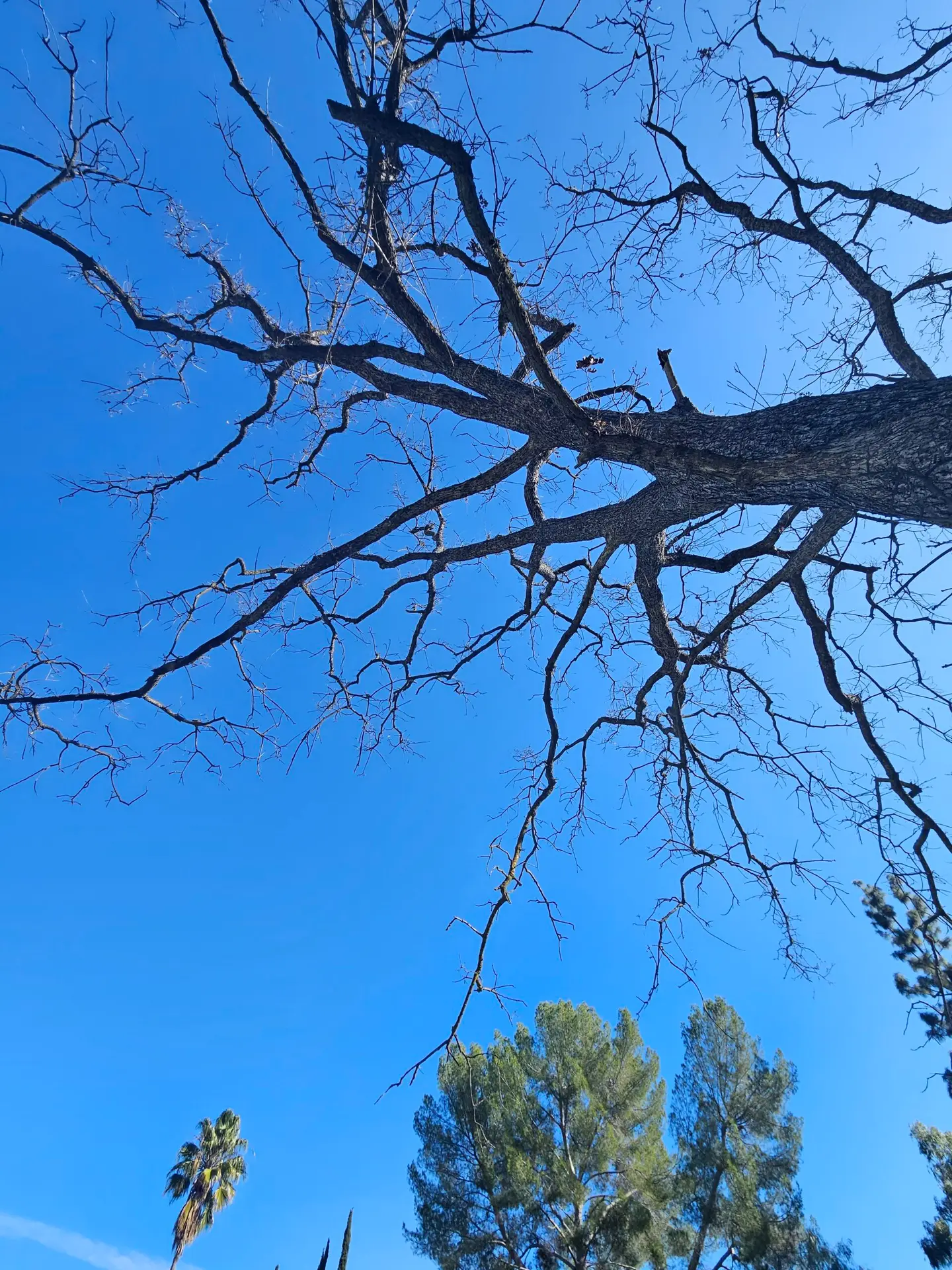
Dead Branches
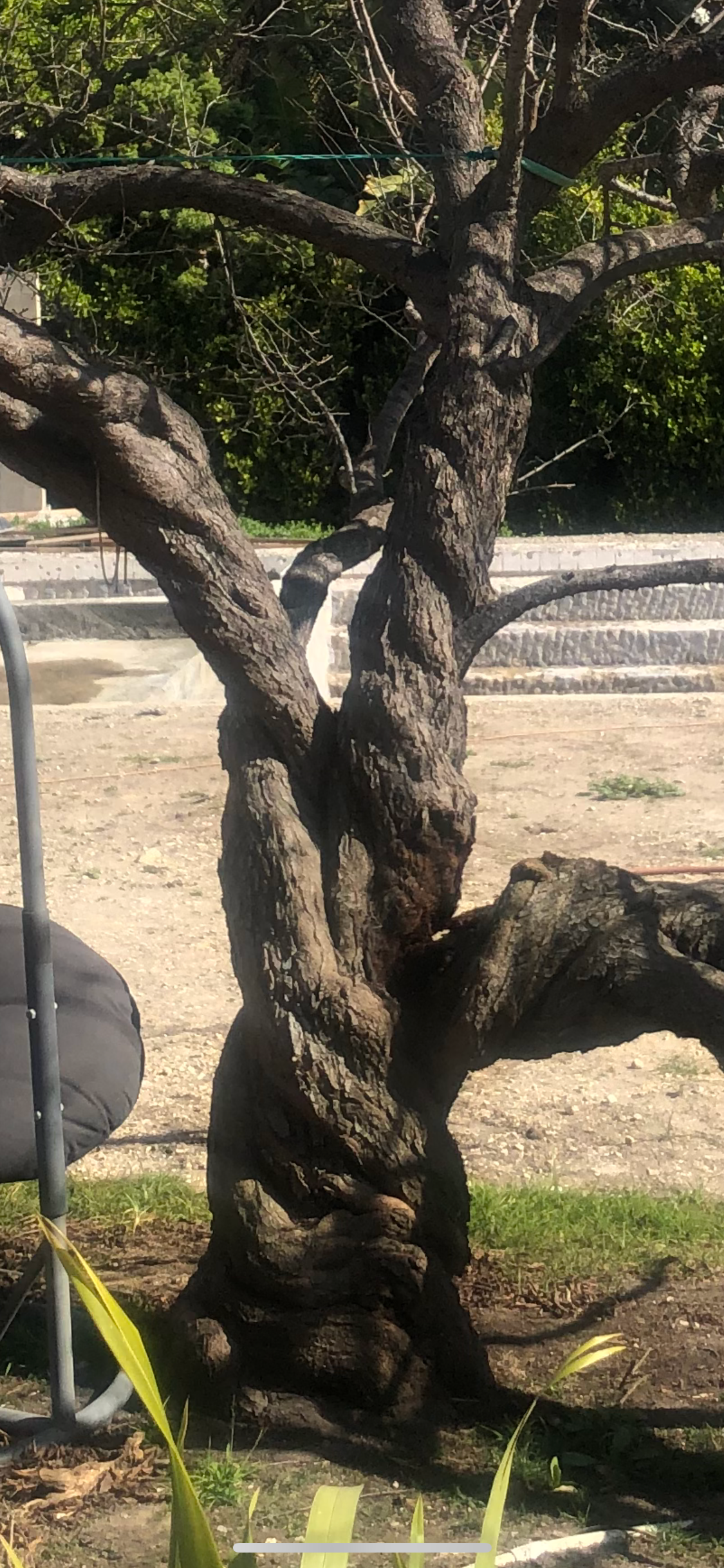
Cracks & Splits
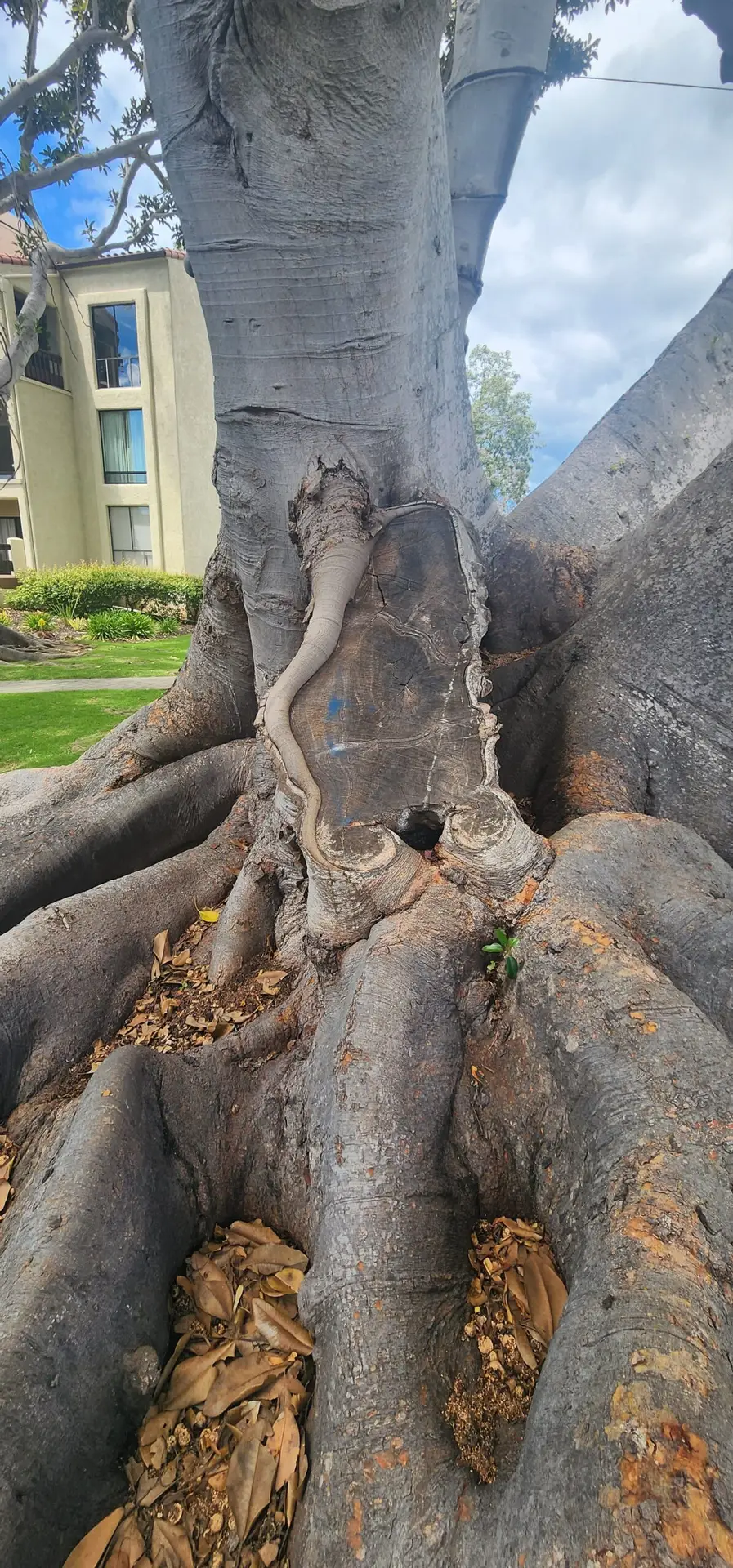
Decay & Cavity
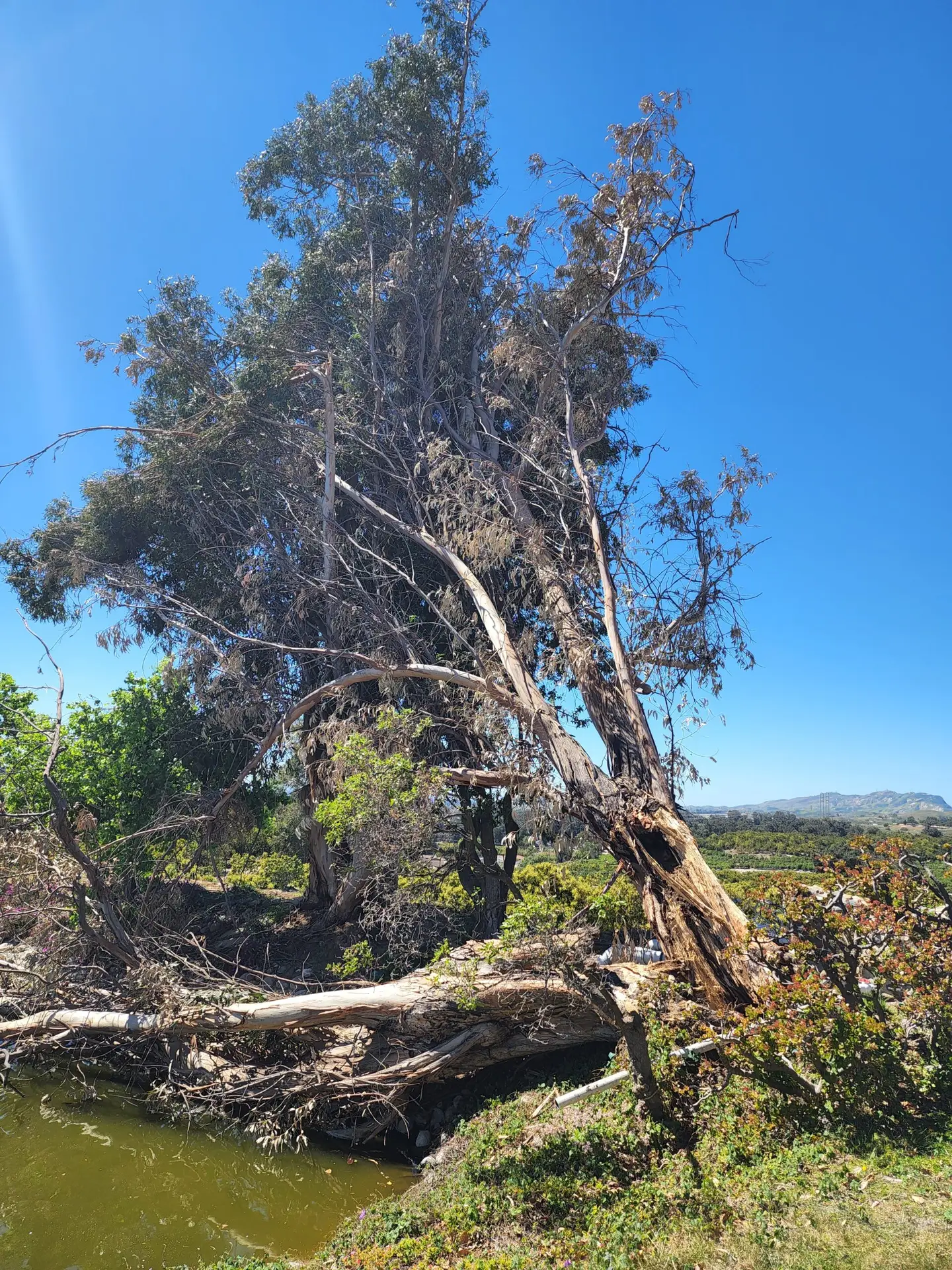
Leaning Tree
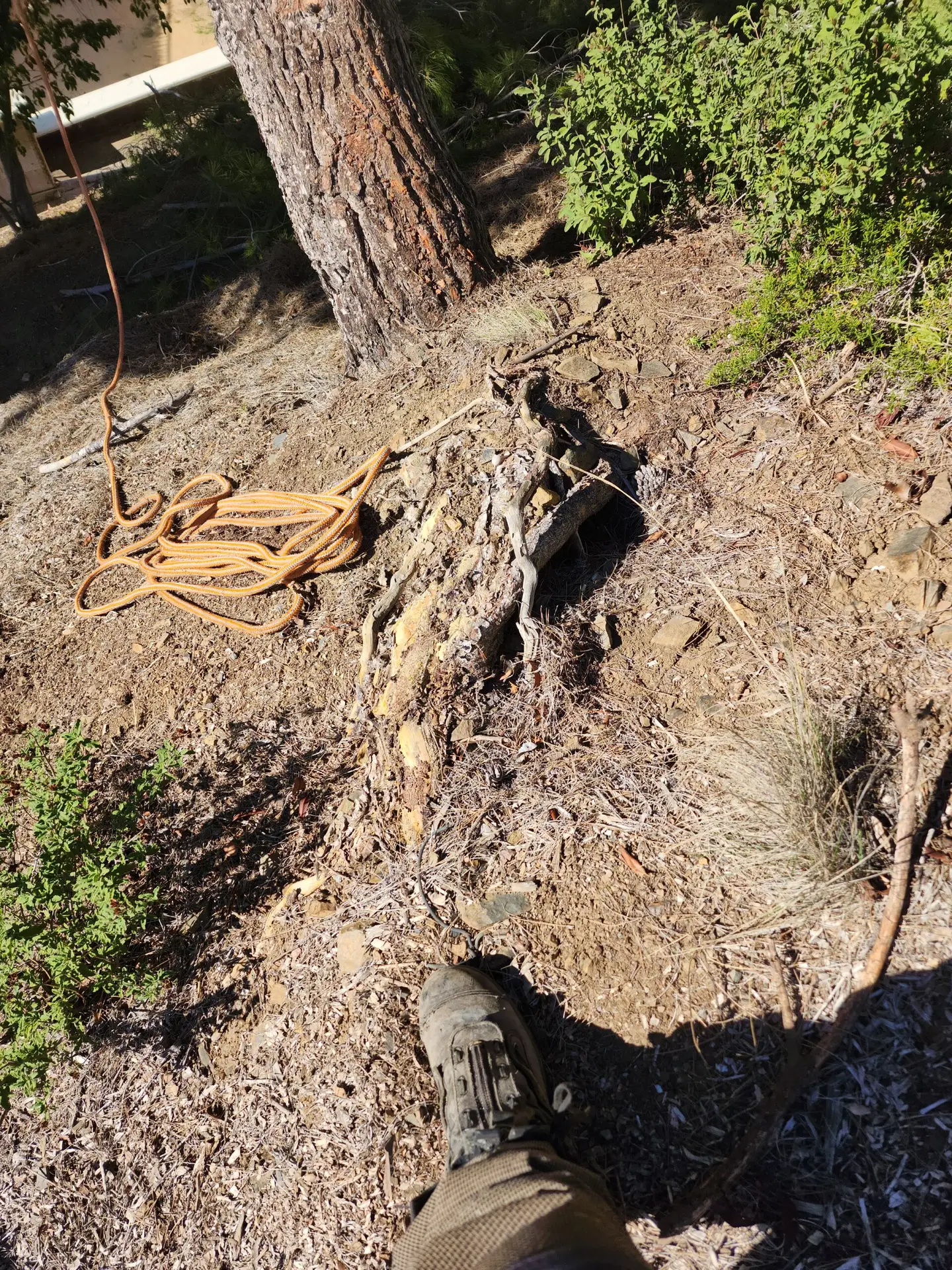
Root Heave
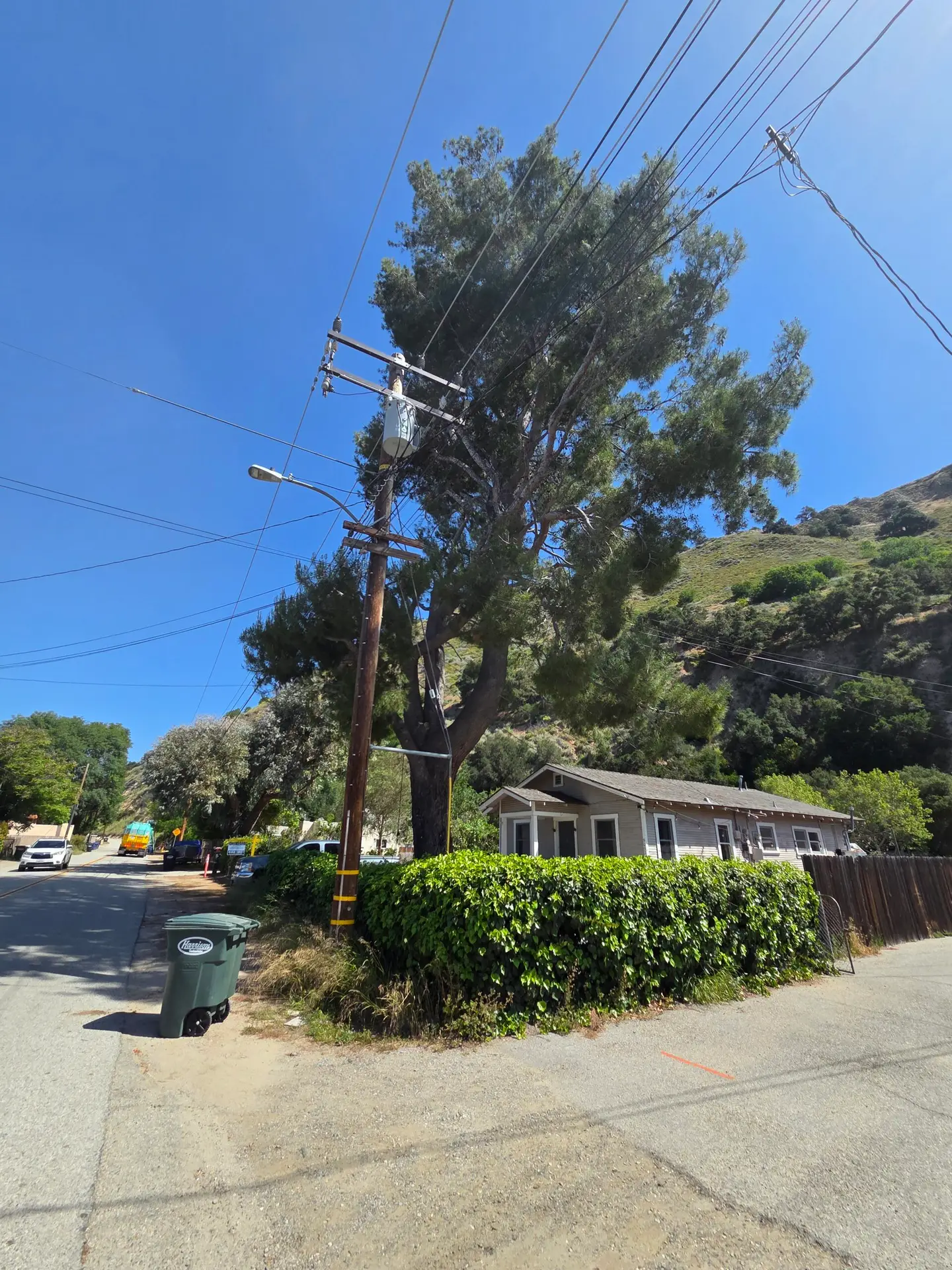
Tree Over Structure
Visible symptoms can point to a larger structural or site-related concern.
FOREST & CANOPY PRESERVATION
Why Have A Tree Risk Assessment?
Understand Potential Risk
Identify hidden structural weaknesses, trunk decay, and root instability before they manifest as dangerous, costly failures.
Protect People & Property
Safeguard structural assets, surrounding structures, and occupants by proactively securing fragile canopy networks.
Support Better Decisions
Replace intuition with data-driven diagnostics, enabling deliberate planning and budget optimization for landscape care.
Receive Actionable Advice
Gain clear, prioritized preservation strategies designed to maximize your trees’ safety, life span, and aesthetic value.
What We Evaluate
Our comprehensive arboricultural assessments analyze vital structural and environmental indicators to ensure long-term tree health, landscape safety, and risk mitigation.
Crown & Branches
Assessment of overall foliage density, structural integrity of major limbs, live crown ratio, and the presence of significant deadwood.
Trunk & Structure
Deep inspection for vertical splits, decay pockets, fungal fruiting bodies, co-dominant stems, and structural integrity of the main trunk.
Roots & Root Flare
Examination of structural root stability, identification of girdling roots, soil compaction issues, and evidence of root system decay.
Site Conditions
Analysis of surrounding soil moisture, grading changes, recent construction disruptions, and exposure to high wind vectors.
Targets & Occupancy
Identification of potential risk zones, proximity to valuable structural elements, and patterns of site occupancy/foot traffic.
Levels of Assessment
Standardized tree risk assessment methodologies defined by the industry to provide clear, actionable insights for structural integrity and tree safety.
LEVEL 1
Limited Visual
A rapid, high-level inspection of specified trees from a ground-level perspective. Efficiently identifies prominent, high-risk defects within large tree populations.
Drive-by or walk-by inspection
Identifies external structural defects
Efficient visual screening
LEVEL 2 (RECOMMENDED)
Basic Inspection
A comprehensive 360-degree ground-based evaluation of the tree canopy, trunk, and root flare. Uses simple sounding tools to evaluate structural soundness.
Full 360° walk-around visual inspect
Root flare & soil crown inspection
Standard municipal/insurance report
LEVEL 3
Advanced Testing
Deep diagnostic analysis mapping internal tree structures. Designed for high-value specimens requiring specialized decay evaluation or climbing inspections.
Sonic Tomography mapping
Aerial crown & climbing inspection
Detailed risk mitigation plan
ARBORIST ASSESSMENT FRAMEWORK
Understanding Tree Risk
Managing mature trees is not about eliminating risk entirely, but identifying structural flaws and assessing their potential impact. Professional arborists evaluate tree safety by balancing tree biology with public safety to maintain a thriving, secure landscape.
01
Likelihood of Failure
An inspection of the tree’s structural health, focusing on defects like hollow trunks, co-dominant stems, deep cracks, and fungal activity that signal an increased danger of falling.
02
Potential Targets
A high-risk tree requires a target. We evaluate buildings, driveways, high-traffic pedestrian paths, and utility lines positioned directly within the fall path to evaluate localized threats.
03
Consequences of Failure
Measuring the likely outcome if a failure occurs. Outcomes span from negligible turf damage to severe structural impact, requiring clear action plans to preempt safety risks.
Concerned About a Mature Tree's Safety?
Schedule a professional ISA-certified arborist consultation to inspect and manage your property’s canopy.
Following a comprehensive tree risk assessment, our certified arborists formulate objective, data-driven mitigation strategies to manage risk and promote canopy health.
Monitoring
Regular structural assessments to track defect progression and overall vigor.
Pruning / Risk
Targeted branch removal or crown thinning to alleviate dynamic structural loads.
Additional Testing
Sonic tomography, resistance drilling, or tissue tests to analyze internal rot.
Tree Protection
Delineating Critical Root Zones and protective fencing near active developments.
Removal Action
Controlled dismantling of specimens identified as dead, dying, or structural hazards.
ISA Certified Arborist
TRAQ Qualified
Veteran Owned
Ventura County Expertise
Google Reviews
Read real testimonials from local homeowners and property managers who trust our arborist team.
“Can’t say enough about Cody. He takes his profession seriously and likes to get down to the root of the problem. He is punctual, his price is are great and Does what he says he’s gonna do.”
Google Review
“Cody did a great job. Professional and very knowledgeable. I will recommend him to anyone looking for an arborist.”
Google Review
“Cody was very personable and professional. As we walked through a multitude of trees he gave me specific information on what to look for in the future as well as a detailed description for each tree and what it needed. He is very knowledgeable and was very quick to follow up.”
Google Review
Concerned About The Safety Of A Tree?
Start with a professional tree risk assessment and get clear direction on the next step.
A tree risk assessment evaluates the tree’s condition, structure, surrounding site conditions, and potential targets. The goal is to identify concerns, better understand the level of risk, and provide practical recommendations for the next step.
What is TRAQ?
TRAQ stands for Tree Risk Assessment Qualification. It is an ISA qualification focused on using a standardized process to evaluate tree risk and communicate findings.
Do all trees with defects need to be removed?
No. A visible defect does not automatically mean a tree needs to be removed. Depending on the condition, recommendations may include monitoring, pruning, treatment, additional testing, or other risk-reduction measures.
Can you provide a written report?
Yes. Written arborist documentation can be provided when needed for property decisions, permits, construction, risk concerns, or other project requirements.
Can you assess a tree after a storm?
Yes. Trees that have experienced storm damage, limb failure, sudden leaning, cracking, or other changes can be evaluated to better understand their condition and potential risk.
How do I get started?
Submit the Tree Risk Assessment request form or call Panoptic Tree Solutions. We’ll review the concern and contact you about the appropriate next step.